
Security: How to Protect Your Community and Prepare for Threats
In a world where threats can come from anywhere—whether it’s a natural disaster, civil unrest, or the growing potential of criminal gangs targeting vulnerable areas—being prepared and able to defend your home or community is more important than ever. Security is not just about owning weapons, it’s about knowing how to use them effectively, how to communicate in times of crisis, and how to work together as a team to protect what matters most.
The Importance of Team-Based Security
One of the most common misconceptions about personal security is that owning a gun is enough. While it’s true that firearms are an essential part of self-defense, many gun owners have little or no formal training in how to use them effectively in a team setting. This is a critical gap in preparedness. Whether it’s a family unit, a group of neighbors, or a larger neighborhood watch, security is a team effort.
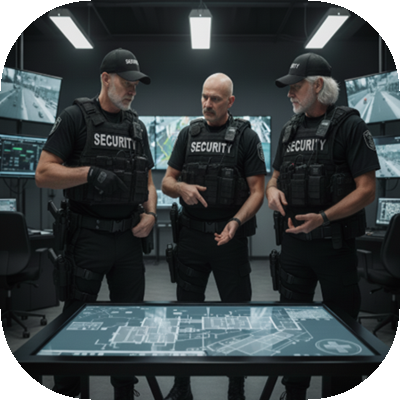
The reality is that criminals, particularly those who belong to organized gangs like MS-13 or ISIS, rarely act alone. These groups often operate in well-coordinated teams, attacking with precision and force. To defend against such threats, you must be able to fight back 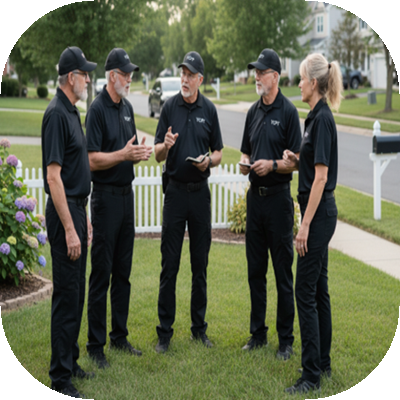 just as organized and effectively as the bad guys do. It’s not enough to have a weapon—you need to know how to fight back as a team.
For example, a husband and wife may be capable of defending their home individually, but when a larger threat arises, they need to know how to work in tandem—moving, shooting, and communicating as a unified force. Similarly, a neighborhood watch needs to be able to respond quickly and efficiently to suspicious activities or threats. Effective communication, shared tactics, and mutual support can make all the difference in those moments.
 The Role of Training in Effective Defense
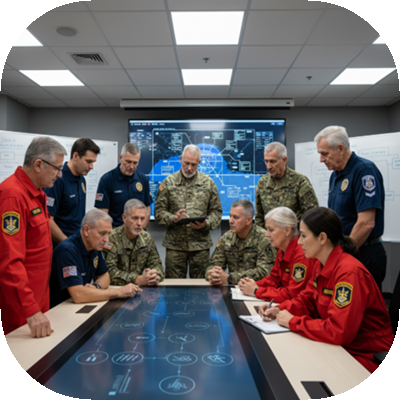
The key to effective defense is training—not just in individual skills, but in teamwork. This is where the experience of veterans from law enforcement, the military, and emergency response teams comes into play. These individuals have been trained to operate together in high-pressure situations, and they are invaluable resources in teaching others how to build the same level of preparedness.
Training involves much more than just shooting at targets. It’s about learning how to move as a group, how to communicate without alerting a threat, and how to react to danger in ways that minimize risk to everyone involved. For instance, in a defensive scenario, teams need to know 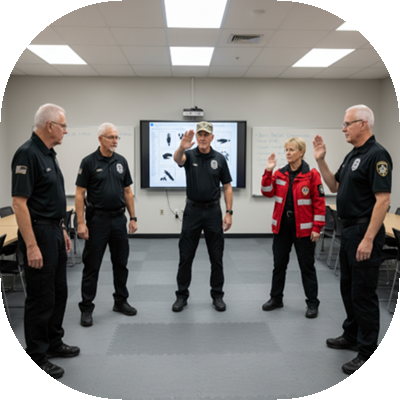 how to move in formation, how to provide covering fire, and how to retreat or advance without creating vulnerabilities.
For those unfamiliar with group dynamics in a security context, learning the basics of hand signals, tactical movement, and how to communicate over radios or other communication devices is essential. These are skills that can only be honed through practice. A well-trained group can respond to threats faster and more effectively than individuals working alone.
Building Your Neighborhood Watch and Security Team
Neighborhood watches are one of the most effective ways to prevent crime and improve community security. By organizing a group of neighbors who are vigilant and trained to handle security threats, you create a strong defense network that can respond to emergencies with a coordinated effort. But to be effective, a neighborhood watch must go beyond just reporting suspicious activity—it needs to be a well-trained, responsive team that can handle threats in real time.
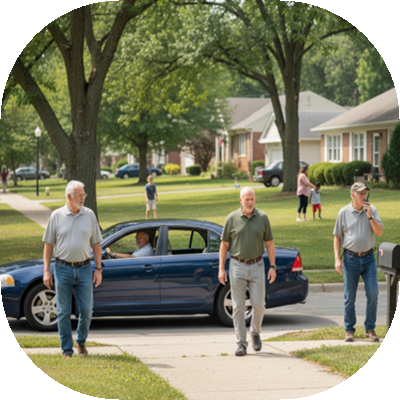 The first step is to create a structure where everyone has a role. Whether it’s a group of local families, an apartment complex, or a larger neighborhood, everyone should understand their responsibilities. Training should include patrolling routines, situation awareness, and how to respond if someone is observed entering the area with suspicious intent. This way, your neighborhood becomes a harder target for criminals.
In a crisis, the ability to summon a show of force is invaluable. If a situation escalates, knowing you have a group of trained, capable individuals ready to respond can deter potential threats. In times of civil unrest, for instance, a unified group of defenders can prevent looters, gangs, or other criminal elements from targeting your home or community. This does not mean you need to be armed to the teeth, but confidence, coordination, and knowing how to handle the situation as a unit are the foundations of effective security.
The Responsibility of Every Citizen
At the core of any community’s security is the shared responsibility of its citizens. Security is everyone’s job, and it’s something that should never be left solely to law enforcement. While police and other professionals play an essential role in maintaining order, communities must be able to defend themselves in the face of threats. This means that neighbors, families, and individuals must all take ownership of their safety and work together to prepare for the unexpected.
Whether you’re forming a neighborhood watch, planning for emergencies, or simply ensuring that your family knows how to act in a crisis, training and collaboration are critical. Veterans and former police officers can be great resources for helping to lead training sessions, teaching everyone the basic principles of group defense, tactical communication, and how to effectively coordinate efforts when the time comes.
Security is a Team Effort
In the end, security is not about being isolated or fighting alone—it’s about creating a network of individuals who are ready to defend each other and work as a team when the need arises. Whether it’s a group of neighbors, a family, or a larger community, understanding how to move, shoot, and communicate as a team is essential.
 The Yavapai County Preparedness Team (YCPT) encourages all citizens to take responsibility for their safety by learning the necessary skills to defend themselves and their communities. Through proper training and teamwork, we can ensure that we are never caught unprepared, no matter what challenges arise. After all, in a world of unpredictable threats, unity and preparedness are the best defenses we have.