Medical Preparedness: Essential First Aid and Advanced Care in Disaster Situations
When a disaster strikes, the aftermath is often filled with a wide range of potential injuries—from minor cuts and bruises to life-threatening trauma. The risk of infection is high, and untreated injuries can quickly become serious, leading to complications or even death. In these situations, the ability to provide immediate medical care can make a significant difference in survival outcomes. Whether it’s stabilizing an injury until medical professionals arrive or managing long-term health needs in a prolonged disaster, medical preparedness is critical.
The Importance of Medical Training in Disaster Preparedness
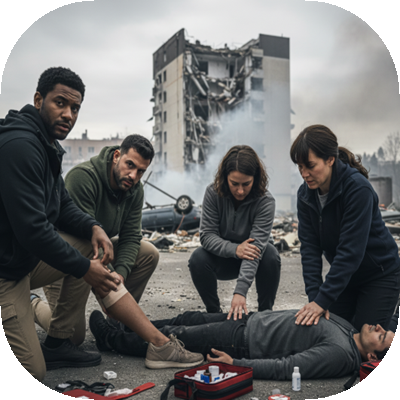
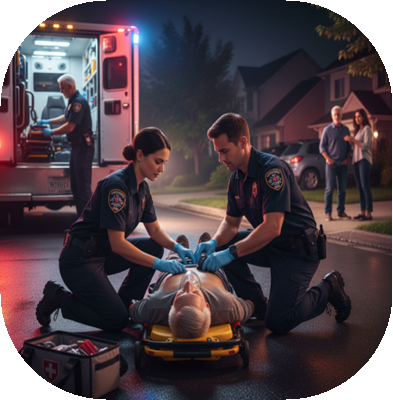
In a major disaster scenario, emergency medical help might not be readily available. Local hospitals could be overwhelmed, roads might be impassable, and emergency responders could be stretched thin. This is why it’s essential for every American to be trained in basic medical care—first aid and trauma care can save lives, stabilize injuries, and prevent further harm until qualified medical professionals are accessible.
Training in basic medical skills allows us to respond quickly and appropriately when disaster strikes. The basic first aid skills everyone should know include wound care, CPR, splinting fractures, controlling bleeding, and recognizing shock. These are all critical skills that can be the difference between life and death. However, in high-stress situations, more advanced training may be needed to manage serious injuries or trauma.
 Combat Lifesaver: The First Step in Emergency Care
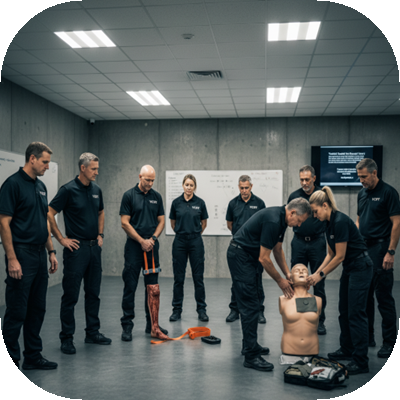
The Combat Lifesaver course is an excellent first step for anyone interested in providing immediate care in a disaster. Originally designed for military personnel, the Combat Lifesaver course is now being offered to civilians and emergency preparedness groups. This course goes beyond basic first aid and focuses on life-saving trauma care that can be administered in critical situations.
Combat Lifesaver training includes more advanced techniques, such as:
-
Tourniquet application for severe bleeding.
-
Airway management to ensure proper breathing.
-
Chest wound management (such as treating a sucking chest wound).
-
Basic fluid resuscitation techniques, like administering saline.
By training in these techniques, individuals can stabilize trauma victims until professional medical care is available, greatly improving the chances of survival for those injured in accidents, natural disasters, or even violent situations like gunshot wounds or motor vehicle accidents.
EMT and Beyond: Expanding Medical Knowledge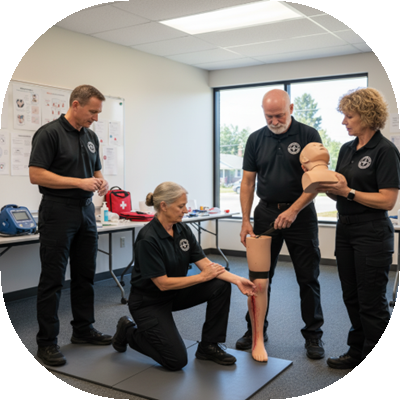
After mastering basic trauma care, the next step for those who want to provide more advanced medical assistance is EMT (Emergency Medical Technician) certification. EMT training provides a more in-depth understanding of medical emergencies and includes skills such as:
-
Advanced airway management (e.g., using oxygen and intubation).
-
Cardiopulmonary Resuscitation (CPR) for both adults and children.
-
Assessing and treating injuries in real time, using medical equipment like defibrillators (AED).
-
Transporting patients safely and efficiently.
EMTs are the frontline of emergency medical services (EMS) and are trained to handle a wide variety of injuries and medical conditions. For individuals interested in more comprehensive medical preparedness, obtaining EMT certification is a valuable next step.
For those looking to go further, training as a medic or paramedic can open up even greater medical capabilities. Paramedics are trained to perform advanced life support (ALS) procedures, administer medications, and provide sophisticated care for seriously ill or injured patients. This level of training is typically pursued by individuals who wish to become full-time medical responders, but the skills gained can be immensely valuable in a long-term disaster situation, where the medical needs of the community may overwhelm available resources.
 Long-Term Medical Care in Disasters
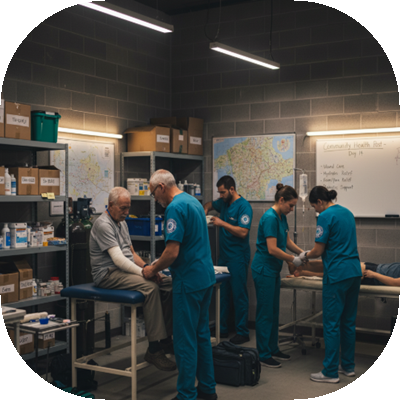
In long-term disaster scenarios, keeping an injured person alive and stable can require ongoing attention. In these cases, monitoring injuries, preventing infection, and providing regular care become as critical as immediate interventions. For example, managing a wound or a burn to prevent infection is crucial. Infections left untreated can quickly escalate, causing sepsis or other systemic issues. Similarly, broken bones or sprains may need to be carefully managed over time to avoid further complications.
In a sustained emergency situation, it is important to monitor vital signs, such as temperature, pulse, and respiration, and be prepared to manage chronic conditions like diabetes or asthma if the person requires regular medication. Having a well-stocked first aid kit or medical supplies (including antibiotics, pain relievers, and bandages) is essential for long-term care.
Training for All Levels of Medical Preparedness
Medical preparedness is an indispensable part of disaster readiness, and the more training we have, the better equipped we will be to handle any crisis. At a minimum, every American should strive to be trained at the Combat Lifesaver level. This foundational training can empower you to respond effectively in an emergency, whether it’s dealing with a car accident, a gunshot wound, or a natural disaster.
For those who wish to take it further, EMT or paramedic training offers a more comprehensive skill set that can save lives in situations where medical help is delayed or unavailable. Through ongoing training, community support, and shared knowledge, we can increase our resilience as individuals and communities, ensuring that we are ready to care for ourselves, our families, and our neighbors in times of crisis.
By taking the time to learn these life-saving skills, we are not just preparing for disasters—we are becoming an active part of a community committed to survival, recovery, and rebuilding, no matter the situation.
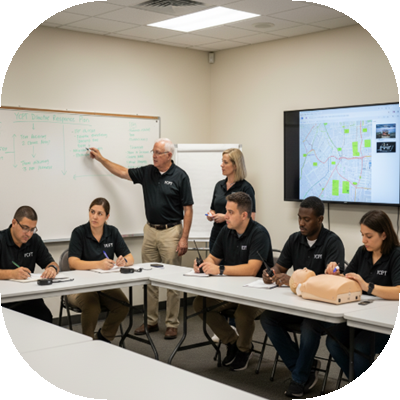
Joining the Yavapai County Preparedness Team (YCPT) is an opportunity to actively contribute to your community’s resilience. Whether you’re an experienced first responder, skilled in handiwork, or someone new to preparedness, YCPT welcomes all who want to learn and grow. Through hands-on training in areas like first aid, emergency response, communications, and security, you’ll be equipped to respond effectively during any crisis.
By becoming a member, you’ll not only gain valuable skills but also build strong connections with neighbors and experts who share the goal of safeguarding our community. YCPT fosters a sense of teamwork and collaboration, making it easier to help one another in times of need.
Prepare yourself, protect your loved ones, and help strengthen the fabric of Yavapai County. Join YCPT today—because in times of uncertainty, the power of community preparedness is invaluable.