
 Engineering for Preparedness: Build, Invent, Improve, Repair
When disaster strikes, whether it’s a hurricane, earthquake, tornado, power outage, or the aftermath of social breakdown, there are certain essentials we all need to survive and recover: shelter, clean water, power, transportation, and the ability to handle fire hazards and other dangers. This is where the skillset of engineers—or anyone handy with tools—becomes absolutely invaluable.
The Engineering Team within any preparedness community plays a critical role in ensuring these fundamental needs are met. Engineers, or those skilled in building, improving, and repairing, are the ones who create solutions to help communities stay self-sufficient during emergencies. These people are problem-solvers who don’t just sit back and wait for help—they create it, often using available resources and a lot of ingenuity.
Key Areas Where Engineering Skills Shine
-
Power Generation and Alternative Energy Solutions
-
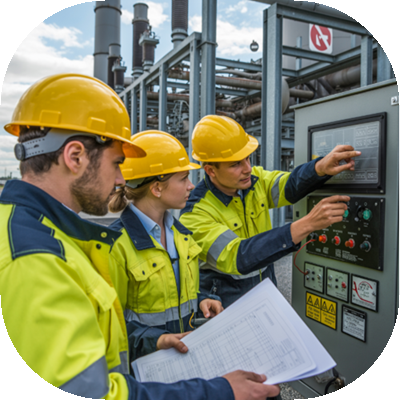
In the event of a power outage, having an alternative energy source is vital. Engineers often adapt existing systems to serve this purpose. For example, converting a well into a generator-powered water pump can provide a community with much-needed access to clean water during an emergency.
-
In one example, a team of engineers repurposed wind turbines and solar panels to supply low-power lighting and basic electrical needs in a community hit by a prolonged outage. By scavenging parts from older, broken devices and creatively repurposing them, they were able to generate enough energy to power essential tools, lights, and even small medical equipment.
-
-
Water Filtration and Management
-
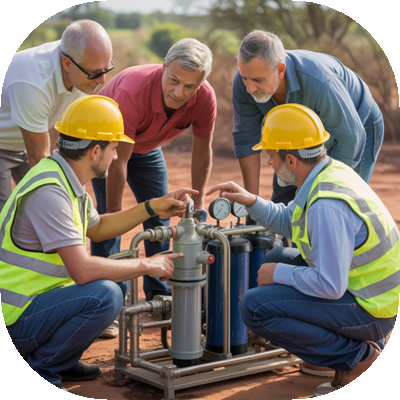
Clean, safe drinking water is one of the most pressing needs during a crisis. Engineers are often responsible for developing DIY water filtration systems using simple materials like sand, charcoal, and gravel. One community project involved designing a mobile water filtration unit that could be deployed quickly after a flood to purify contaminated water sources and ensure safe drinking water for everyone in the area.
-
-
Shelter and Structural Reinforcements
-
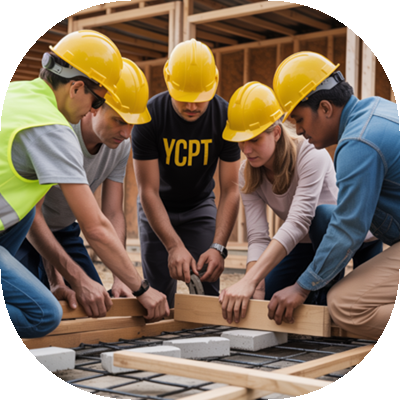
Whether you’re dealing with hurricanes, earthquakes, or civil unrest, you need safe shelter. Engineers often design and build temporary structures like mobile shelters, emergency tents, or reinforced walls to protect people in these extreme conditions. In one case, engineers constructed strong, portable exam tables built from steel and heavy-duty wood to accommodate medical needs even under difficult conditions. These tables were able to support very heavy patients in areas where regular medical infrastructure had been destroyed.
-
-
Transportation and Logistics
-
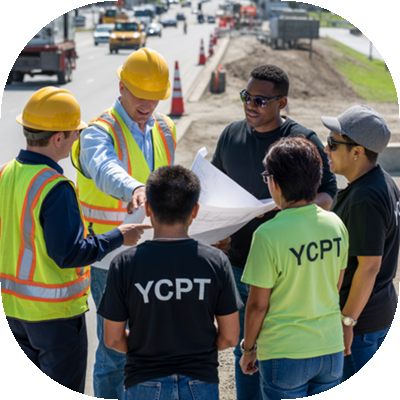
Getting supplies where they’re needed is another area where engineering skills shine. In a post-disaster situation, it’s not always possible to rely on traditional transportation methods. Engineers have developed innovative delivery systems, such as motorized carts that can navigate through rough terrain, or low-tech, pedal-powered transport for remote areas where gasoline may be scarce.
-
-
Fire Safety and Hazardous Material Handling
-
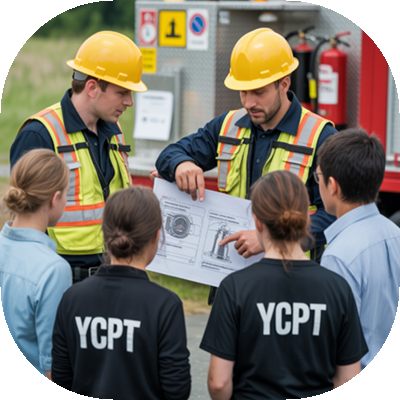
Disasters often bring increased risks of fire, hazardous materials, and other environmental dangers. Engineers are trained to develop and implement fire safety measures, including building firebreaks, creating emergency fire extinguishing systems, and even making makeshift fire shelters to protect people from blazes. After a wildfire, engineers may work to build containment barriers or repurpose old fire trucks into mobile fire suppression units that can be used in situations where the traditional response teams are overwhelmed or inaccessible.
-
Real-World Examples of Engineering in Action
-
Re-purposed Generators for Rural Communities: After a devastating tornado hit a rural area, local engineers were able to take old generators from abandoned buildings and repurpose them to provide much-needed power for the community. With only a few simple tools and a solid understanding of basic engineering, they were able to restore electricity to critical areas, such as shelters, medical centers, and water pumping stations.
-
Hand-Cranked Water Pumps: In one remote village, engineers designed and built a hand-cranked water pump that could be powered manually in the event of a power failure. This device was able to provide clean water to the community during a local flooding disaster, ensuring that residents had access to potable water without relying on electrical systems that were down.
-
Solar-Powered Emergency Lighting: After an earthquake knocked out power in a coastal city, a group of engineers set up a network of solar-powered emergency lighting around shelters and medical areas. Using inexpensive solar panels and LED lights, they created a sustainable solution for lighting during the recovery period, reducing the need for fuel-powered generators and minimizing the environmental impact.
Why Engineering Matters in Preparedness
The engineering mindset is about innovation, problem-solving, and resourcefulness—qualities that are essential in any emergency. Engineers bring more than just technical expertise to the table; they bring the ability to look at a situation, identify problems, and quickly create effective solutions.
During an emergency, whether it’s a storm, earthquake, or civil unrest, we all rely on engineers to help ensure that the basics—shelter, food, water, power, and safety—are covered. And while not everyone may have formal engineering training, anyone can develop practical skills with the right guidance and tools. With hands-on projects like building solar cookers, creating DIY water filtration systems, or even learning how to repurpose materials for emergency repairs, everyone can contribute to a community’s engineering needs.
In short, engineering is about building resilience and creating solutions that can be adapted for any situation. In times of crisis, engineers are the problem-solvers who keep things running and help communities survive, recover, and rebuild.