Stop the Bleed – Save a Life: Empowering Communities with Life-Saving Skills
In emergency situations, especially those involving severe trauma, the difference between life and death can often be measured in minutes. One of the most preventable causes of death from trauma is uncontrolled bleeding. Whether from a car accident, a gunshot wound, or a natural disaster, major bleeding can quickly become life-threatening. This is where the Stop the Bleed – Save a Life program comes in, providing everyday citizens with the skills and confidence to take immediate action and save lives.
Launched by the White House in 2015, the Stop the Bleed initiative was created in response to a critical need: training people to control bleeding in the minutes before professional medical help arrives. The idea is simple: train bystanders to apply basic bleeding control techniques and provide immediate care until emergency responders can take over.
The Importance of Stop the Bleed
Each year, thousands of Americans die from injuries that could be prevented if proper care was given immediately. Uncontrolled bleeding is one of the most common causes of preventable death in trauma situations, and it often occurs in the critical minutes following an injury, long before paramedics or other trained medical personnel can arrive. Studies show that a person can bleed to death from severe hemorrhaging in just five minutes. For this reason, the ability to control bleeding in those first few minutes is crucial.
The Stop the Bleed program teaches basic life-saving techniques to people of all ages, enabling them to respond quickly to a trauma situation. By providing early intervention, these techniques can significantly reduce the risk of death from bleeding injuries.
Key Skills Taught in Stop the Bleed
The Stop the Bleed course is designed to be quick, straightforward, and hands-on. Participants typically learn the following techniques:
-
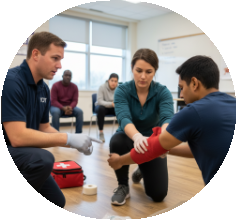 Direct Pressure: The most basic yet effective technique to control bleeding. By applying firm pressure to the wound using a cloth, gauze, or even a hand, you can help slow or stop blood flow.
 -
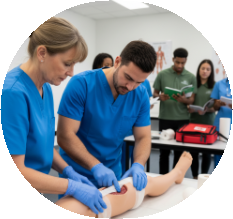 Wound Packing: When direct pressure alone is not enough, participants are trained to pack a wound with sterile gauze to help control severe bleeding. This technique is used for larger or deeper wounds where direct pressure might not be effective.
 -
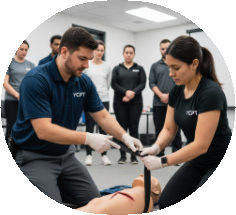 Applying a Tourniquet: For injuries on limbs where the bleeding is uncontrolled by pressure alone, a tourniquet can be used to stop blood flow completely. The course teaches how to apply a tourniquet above the wound and tighten it until bleeding is controlled.
 -
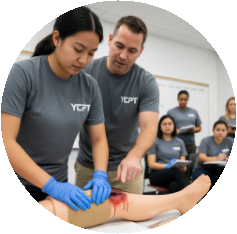 Using Hemostatic Dressings: Hemostatic dressings, which help promote blood clotting, can be used in conjunction with pressure or packing for particularly severe injuries. Participants are taught when and how to use these specialized dressings.
Why It’s Essential for Community Preparedness
The Stop the Bleed program is not just for medical professionals. It’s for everyone. In a disaster or emergency, first responders may not be able to get to you immediately. By equipping community members with these life-saving skills, the program ensures that people can help each other in those critical minutes before medical assistance arrives. Whether in a school, workplace, church, or home, anyone can become a first responder when trained in basic trauma care.
For communities like Yavapai County, joining the Stop the Bleed program means becoming part of a prepared, proactive network ready to face emergencies together. Training your neighbors and family members to use tourniquets, apply pressure, and pack wounds creates a safer environment and increases your community’s overall resilience in the face of disasters.
How to Get Involved
The Stop the Bleed program is available across the country and is taught by certified instructors through hospitals, schools, fire departments, and community organizations. Courses are often free or low-cost and are available to anyone interested in learning these vital skills. Many community organizations, including those within YCPT, offer Stop the Bleed courses as part of a broader community preparedness initiative.
Be Prepared, Be Empowered
The Stop the Bleed – Save a Life initiative is more than just a set of techniques—it’s a call to action for every American to take responsibility for their own safety and the safety of those around them. By learning how to control severe bleeding, you can make a life-saving difference in a critical moment. Join the growing movement of individuals and communities who are learning these vital skills and becoming first responders when it matters most.
At the Yavapai County Preparedness Team, we encourage everyone to take the Stop the Bleed course and pass it on. Because when it comes to saving lives, every second counts.
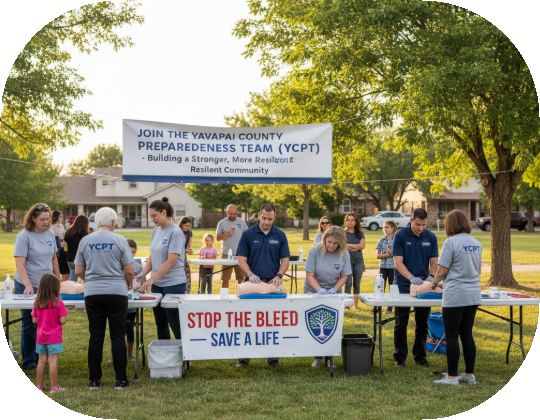 Join the Yavapai County Preparedness Team (YCPT)
The Stop the Bleed – Save a Life program is not just about individual preparedness, but about building a stronger, more resilient community. At the Yavapai County Preparedness Team (YCPT), we believe that community involvement is key to responding to any emergency situation effectively. By joining YCPT, you’ll be part of a proactive network of individuals dedicated to not only learning essential skills like bleeding control but also preparing for a wide range of disaster scenarios.
When you become a member of YCPT, you’ll have access to comprehensive training programs, including Stop the Bleed courses, first aid, emergency response tactics, and more. YCPT members work together to ensure that everyone in the community has the knowledge and tools they need to respond when seconds count.
Whether you’re learning basic life-saving techniques or helping to train others, joining YCPT means you’ll be part of a community-driven effort to make Yavapai County a safer, more resilient place for everyone. Your involvement matters. Together, we can ensure that we’re ready for whatever challenges lie ahead.
Don’t wait for a disaster to strike—take action today. Join the Yavapai County Preparedness Team and help us create a more prepared, connected community that can respond effectively to emergencies, support each other, and save lives.
Get trained, get involved, and be the difference your community needs!